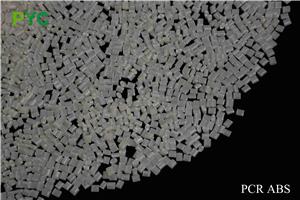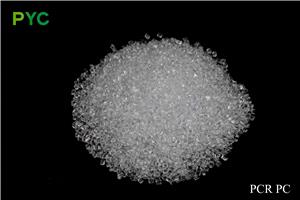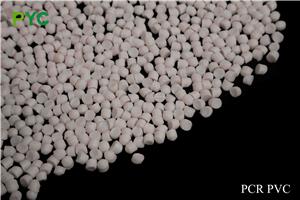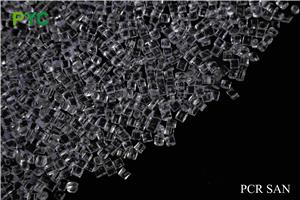
PIR (Post-Industrial Recycled Material )
PIR plastic: Source: Derived from waste materials generated in the industrial production process, such as water spouts, sublots and residuals from the injection molding of products in factories. Production process: Direct recycling of waste materials generated in the factory production process, after re-granulation and other processing steps. Applications: Usually used in industrial products, such as packaging of electronic components and manufacturing of automotive parts, as its properties are close to those of virgin plastics.
-
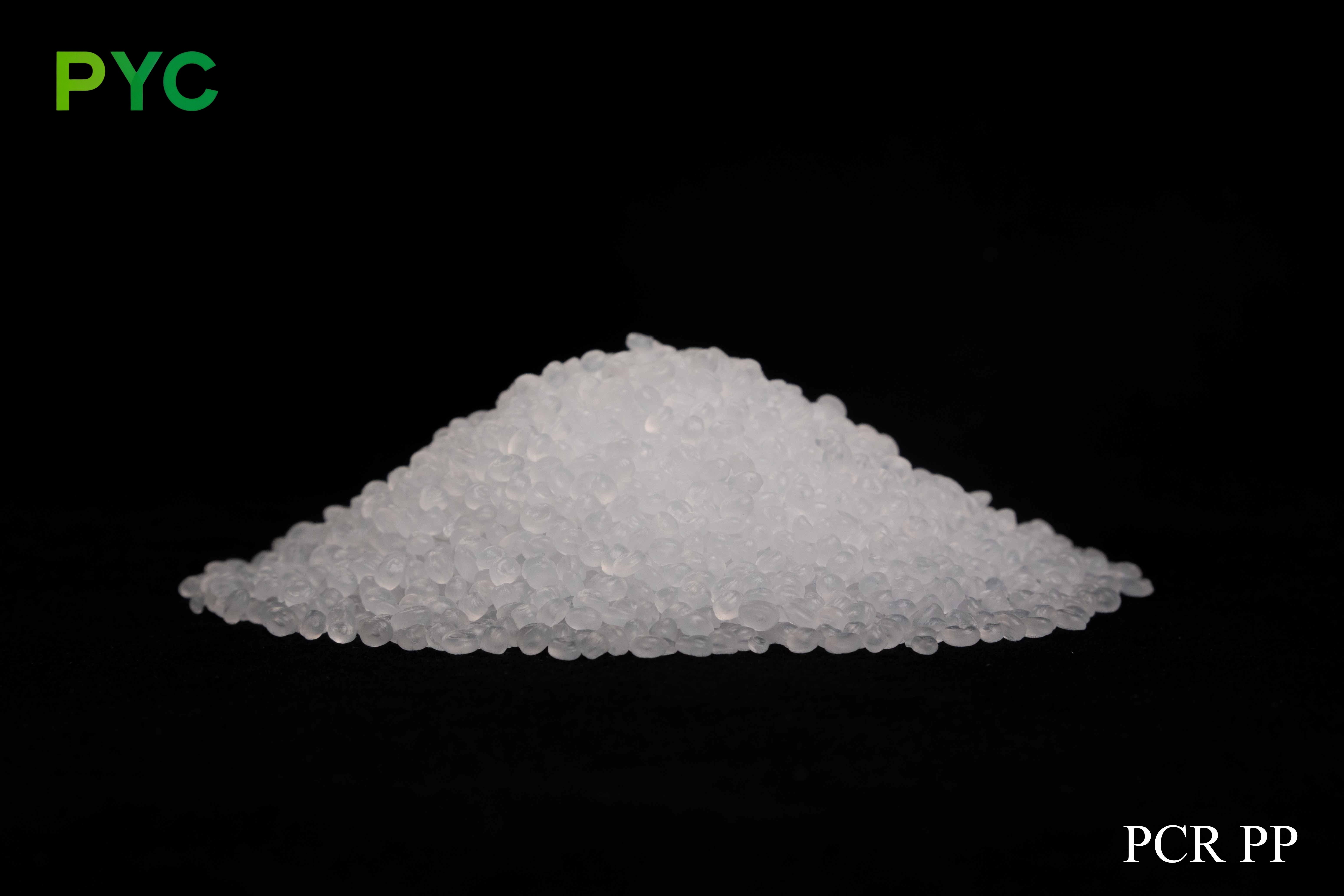
PIR PP
PIR PP (PostIndustrial Recycled Polypropylene) - Post-industrial recycled polypropylene
Email Details
PIR PP is a kind of environmentally friendly plastic that is recycled after the waste polypropylene materials (such as scraps, waste materials, etc.) generated in the industrial production process are recycled. As a highly recyclable plastic, polypropylene (PP) has excellent mechanical properties, chemical resistance and high temperature resistance, and PIR PP is widely used in a number of industries, especially in areas requiring high strength and stability. -
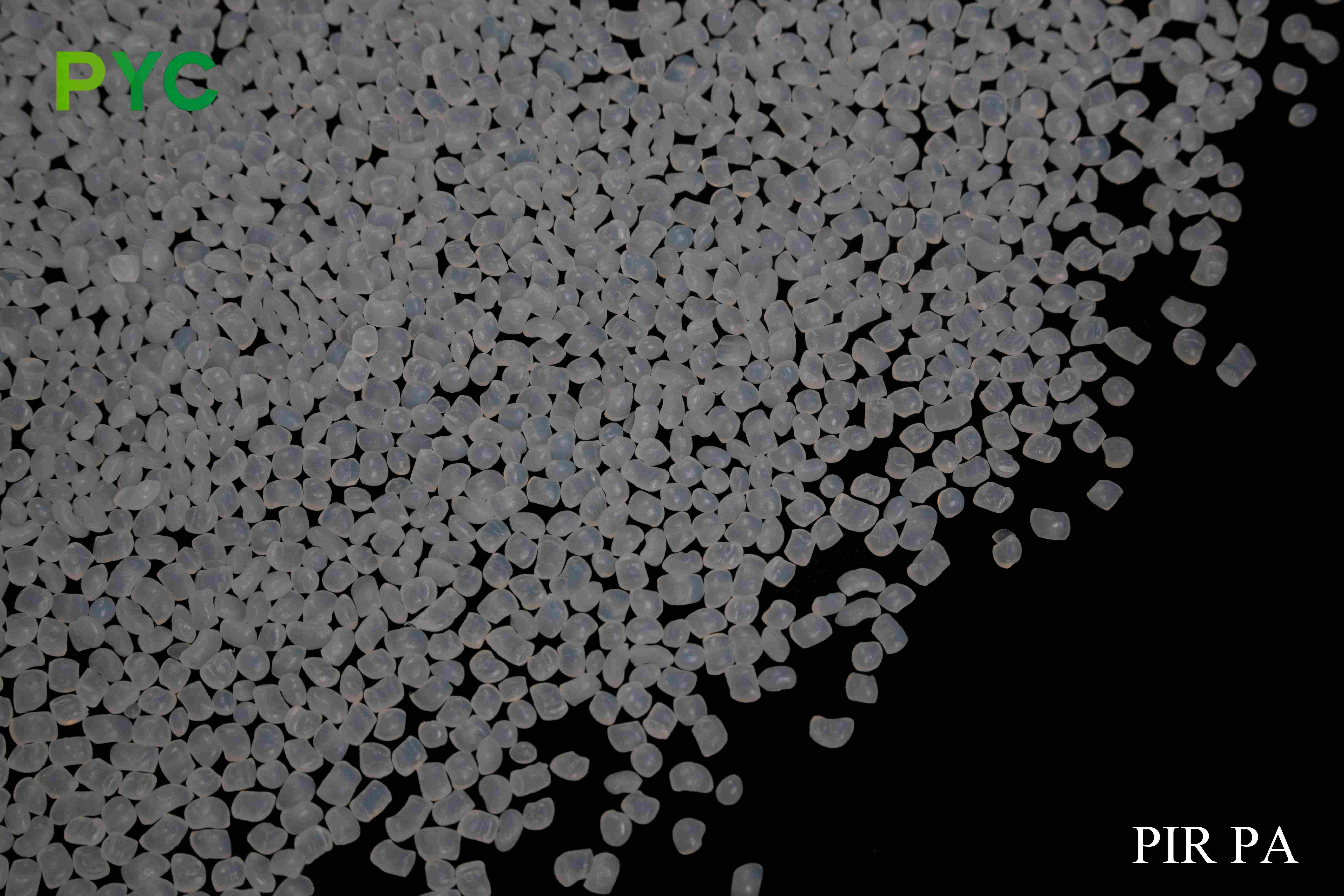
PIR PA
PIR PA (PostIndustrial Recycled Polyamide) - Post-industrial recycled polyamide
Email Details
PIR PA is an environmentally friendly plastic produced by recycling industrial waste polyamide (PA, commonly known as nylon) material. Due to its excellent mechanical properties, wear resistance and good thermal stability, polyamide materials are widely used in many industries such as automobiles, electronics, textiles and machinery. By recycling waste polyamide materials in production (such as corner waste, production residues, etc.), PIR PA not only reduces the emission of plastic waste, but also provides enterprises with sustainable development solutions. -
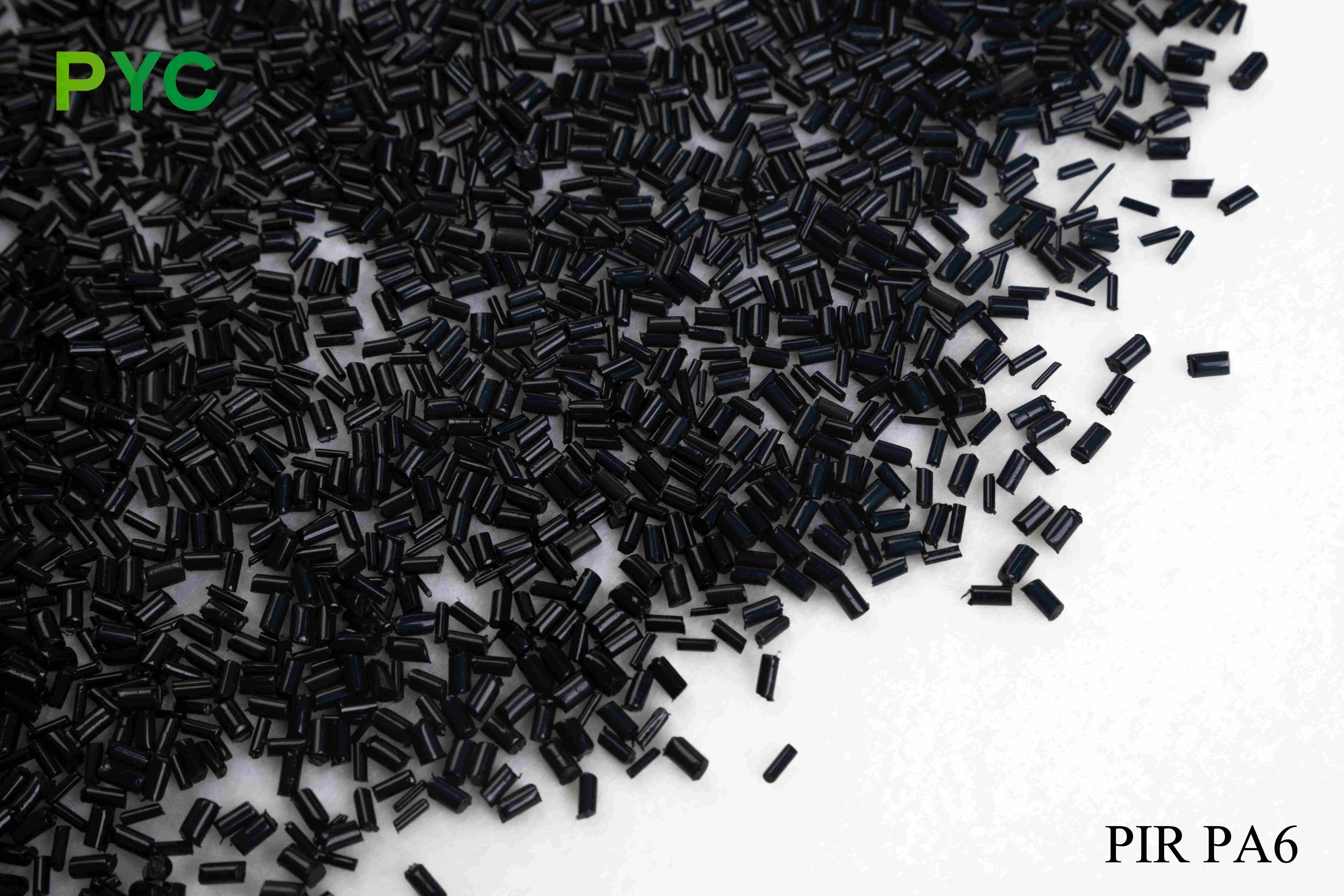
PIR PA6
PIR PA6 (PostIndustrial Recycled Polyamide 6) - Post-industrial recycled polyamide 6
Email Details
PIR PA6 is an environmentally friendly plastic made by recycling industrial waste polyamide 6 (PA6, commonly known as nylon 6) material. The PA6 material is widely used in the automotive, electronics, textile and machinery industries due to its excellent strength, wear resistance and excellent thermal stability. By recycling polyamide 6 waste, PIR PA6 reduces the need for new raw materials and effectively reduces the emission of plastic waste, in line with sustainable development and environmental protection needs. -
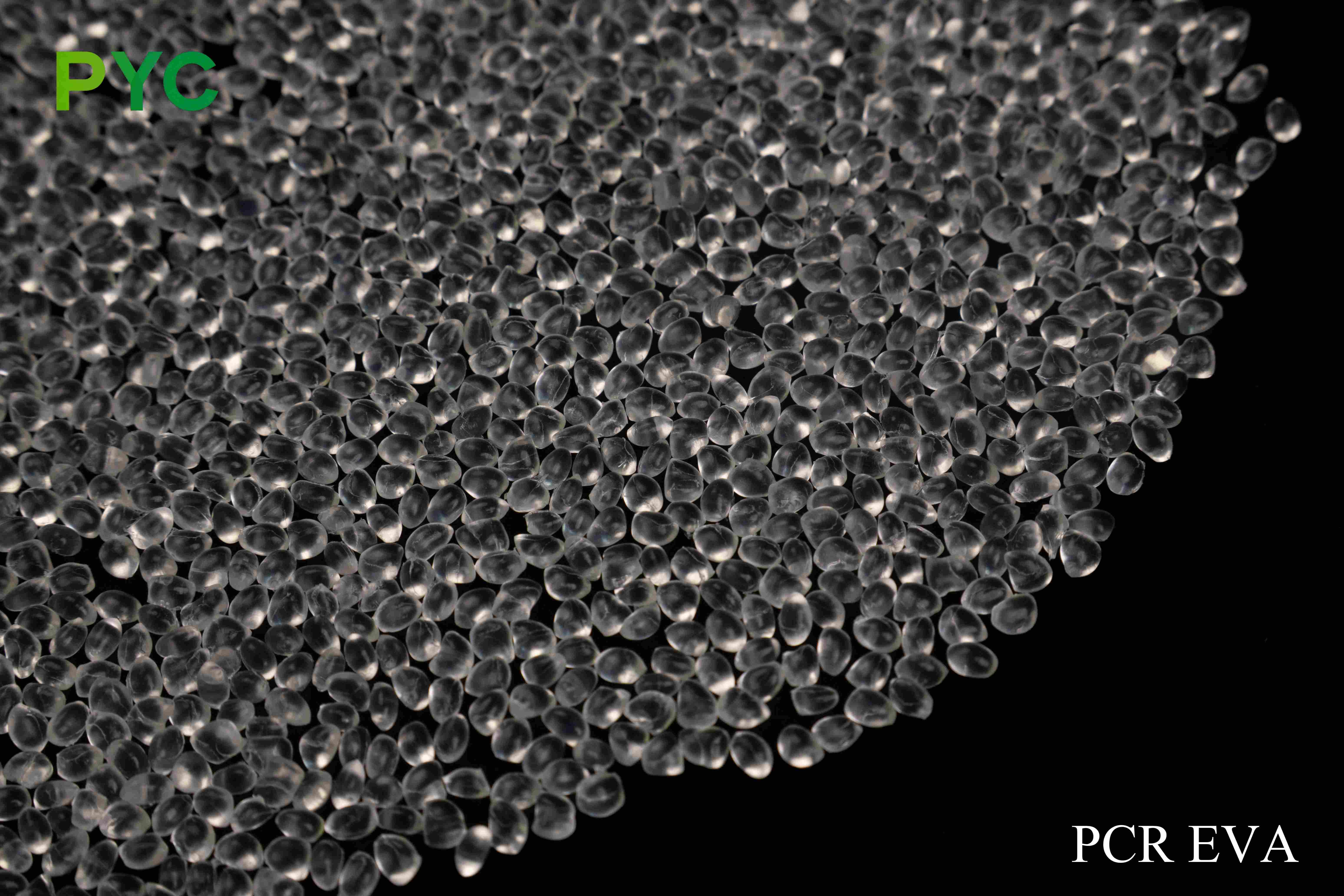
PIR EVA
PIR EVA (PostIndustrial Recycled Ethylene Vinyl Acetate) - postindustrial recycled ethylene vinyl acetate copolymer
Email Details
PIR EVA is an environmentally friendly plastic made by recycling ethylene vinyl acetate copolymer (EVA) waste from industrial production processes. Due to its excellent elasticity, transparency, low temperature resistance and chemical resistance, EVA is widely used in footwear, packaging, automotive, electronics and medical industries. By recycling EVA waste, PIR EVA not only reduces resource waste, but also promotes sustainable development and green production. -
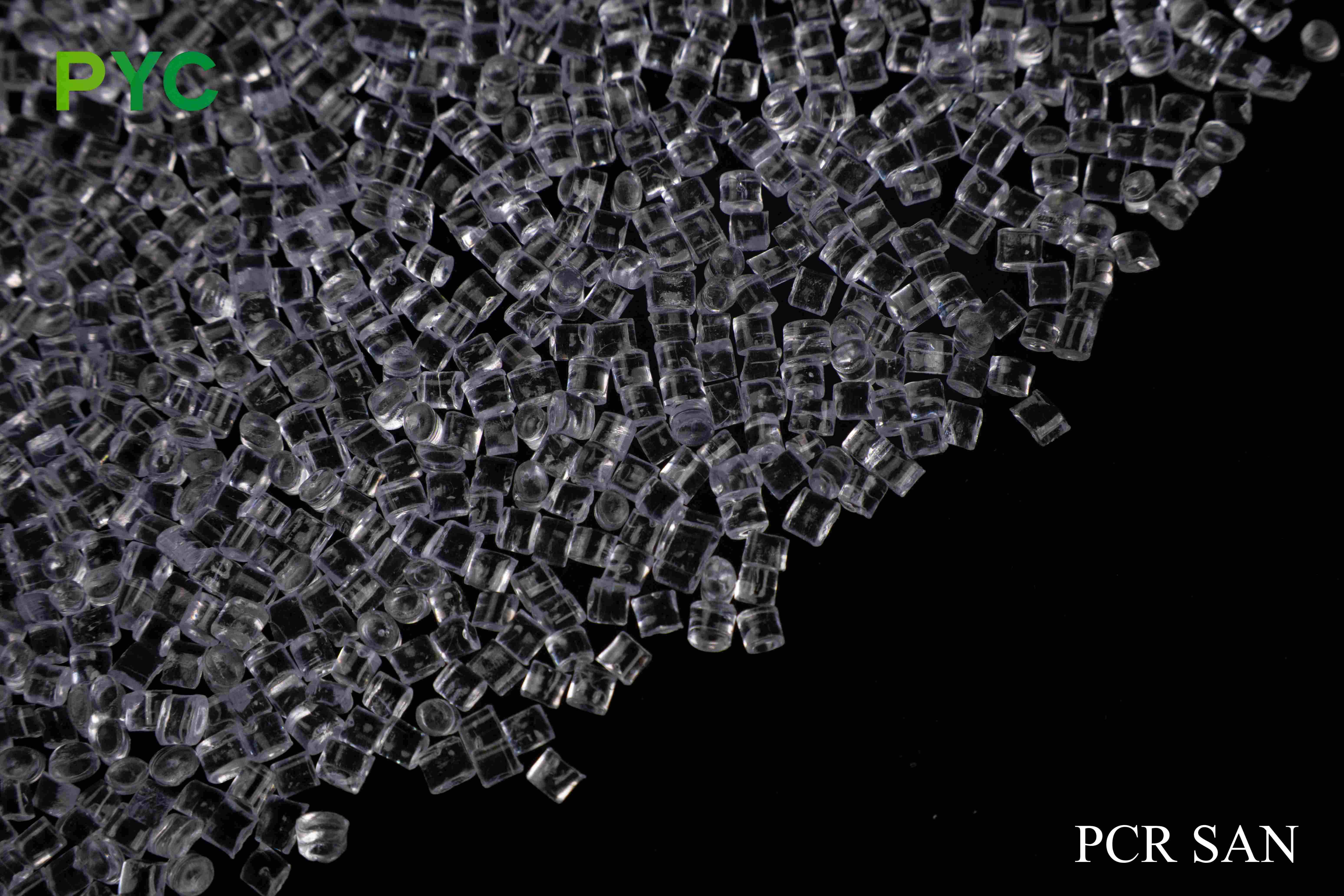
PIR SAN
PIR SAN (PostIndustrial Recycled StyreneAcrylonitrile) - Post-industrial recycled styreneacrylonitrile copolymer
Email Details
PIR SAN is an environmentally friendly plastic made by recycling styreneacrylonitrile copolymer (SAN) waste from industrial production processes. Styryl acrylonitrile copolymer (SAN) is an engineering plastic with excellent transparency, rigidity and chemical resistance, widely used in electronics, home appliances, automotive as well as packaging industries. By recycling SAN waste, PIR SAN not only reduces resource waste, but also promotes circular economy and green production. -
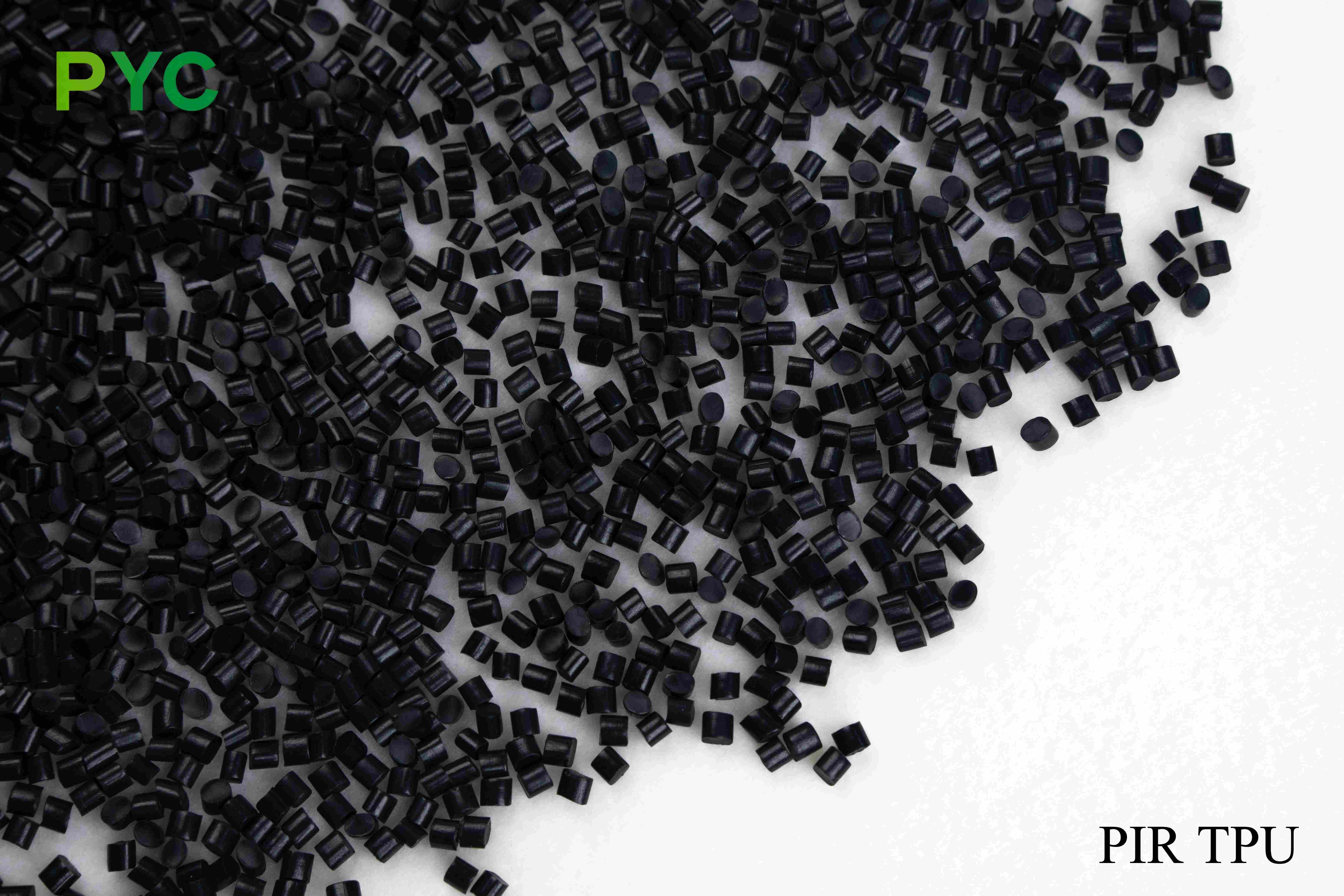
PIR TPU
PIR TPU (PostIndustrial Recycled Thermoplastic Polyurethane) - Post-industrial recycled thermoplastic polyurethane
Email Details
PIR TPU is an environmentally friendly plastic made by recycling thermoplastic polyurethane (TPU) waste from industrial production processes. Thermoplastic polyurethane has excellent elasticity, wear resistance, impact resistance and chemical resistance, and is widely used in automotive, electronics, medical, footwear and other industries. By recycling discarded TPU raw materials, PIR TPU not only reduces the demand for raw materials, but also helps reduce the accumulation of plastic waste, in line with the goals of sustainable development and green production. -
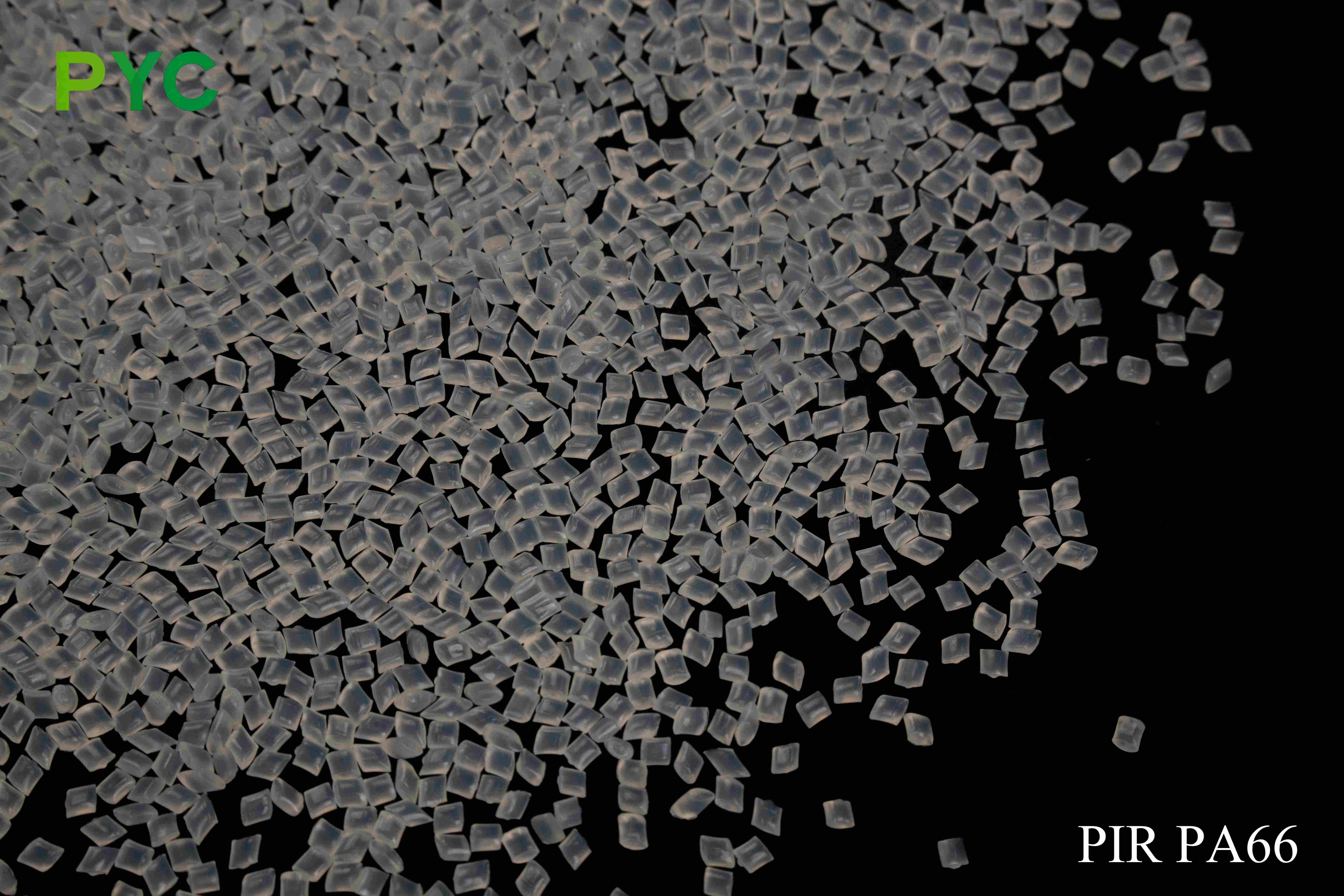
PIR PA66
PIR PA66 (PostIndustrial Recycled Polyamide 66) - Post-industrial recycled polyamide 66
Email Details
PIR PA66 is an environmentally friendly plastic made by recycling polyamide 66 (PA66) waste from the industrial production process. As a high-performance engineering plastic, PA66 has excellent mechanical strength, wear resistance, heat resistance and chemical stability, so it has been widely used in automotive, electronics, electrical, machinery and other fields. By recycling discarded PA66 raw materials, PIR PA66 not only reduces production costs, but also helps reduce the accumulation of plastic waste, in line with the global Sustainable Development Goals. -
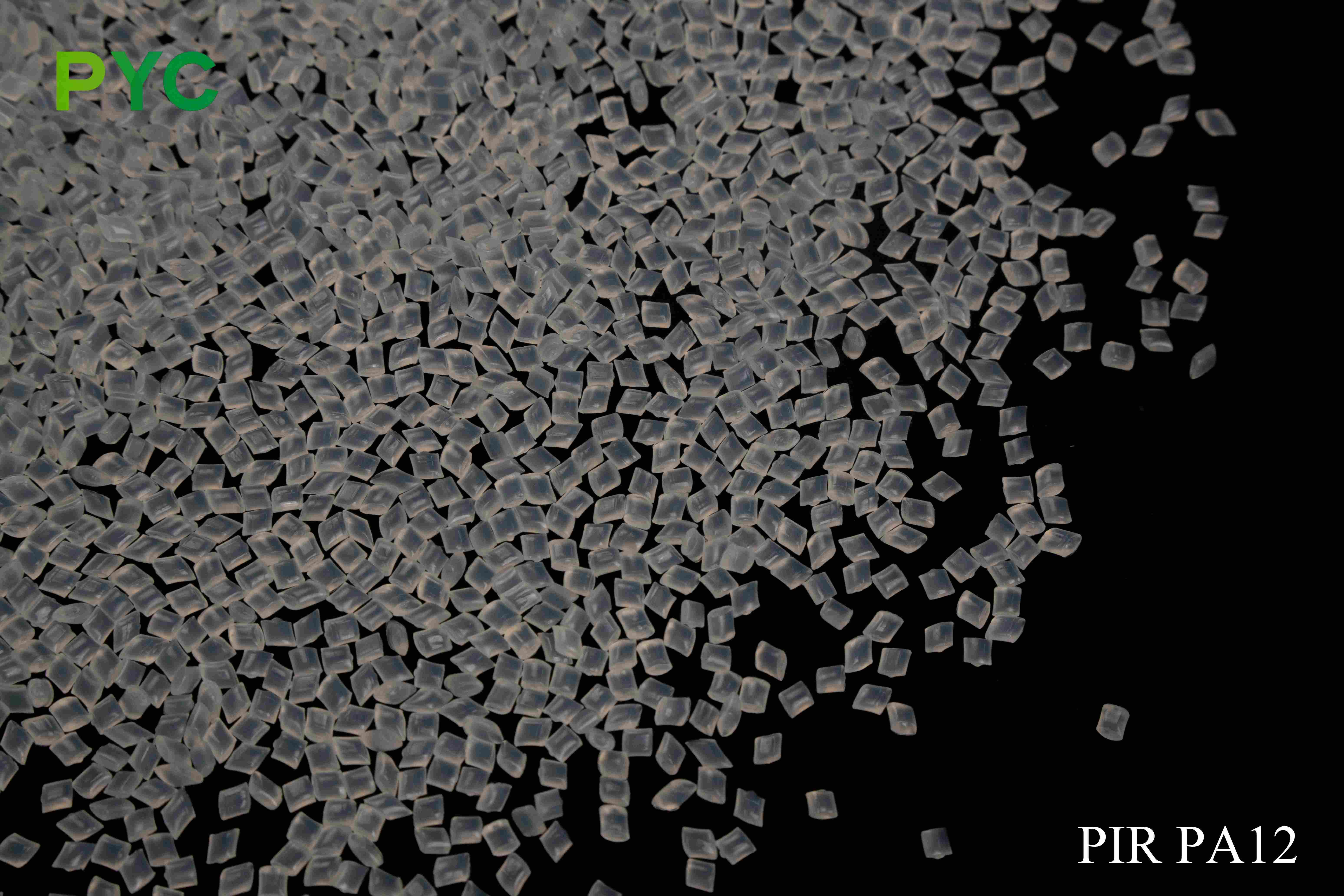
PIR PA12
PIR PA12 (PostIndustrial Recycled Polyamide 12) - Post-industrial Recycled polyamide 12
Email Details
PIR PA12 is an environmentally friendly plastic produced by recycling industrial waste polyamide 12 (PA12) material. With excellent chemical resistance, low water absorption and excellent flexibility, polyamide 12 is widely used in high-end manufacturing fields such as automotive, electronics and aviation. PIR PA12 reduces the need for raw petroleum resources by recycling waste generated during the production process, while also helping to reduce the accumulation of plastic waste, in line with sustainable production models. -
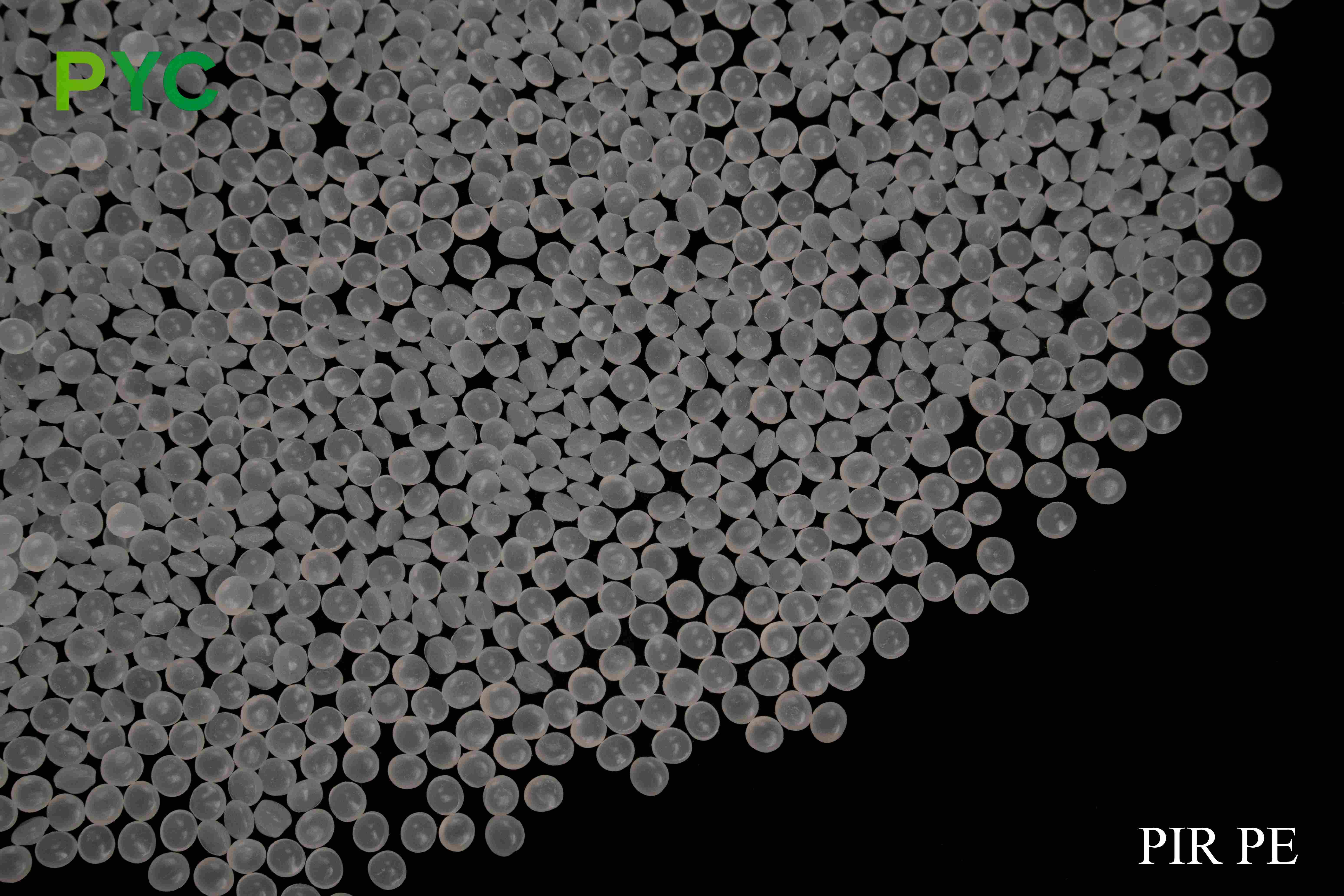
PIR PE
PIR PE (PostIndustrial Recycled Polyethylene) - Post-industrial recycled polyethylene
Email Details
PIR PE is an environmentally friendly plastic produced by recycling industrial waste polyethylene (PE) material. Polyethylene is one of the most widely used plastics in the world and is widely used in packaging, plumbing, agriculture, construction and other industries due to its excellent flexibility, low temperature resistance and good chemical stability. PIR PE uses waste PE materials in industrial production for recycling and processing, which not only reduces the demand for new raw materials, but also reduces the impact of plastic waste on the environment, providing enterprises with sustainable solutions.